
Intrinsicly evisculate emerging cutting edge scenarios redefine future-proof e-markets demand line
Gallery Posts






Intrinsicly evisculate emerging cutting edge scenarios redefine future-proof e-markets demand line


Simplify from a monolithic architecture to an agile microservices-based architecture

Assistance with strategic partnerships like integration concierge, integration as a service, and managed services

Standardize integration implementation across the enterprise

Adopt integration governance to enable selfservice and support agile projects

Overcome complexity with an actionable roadmap
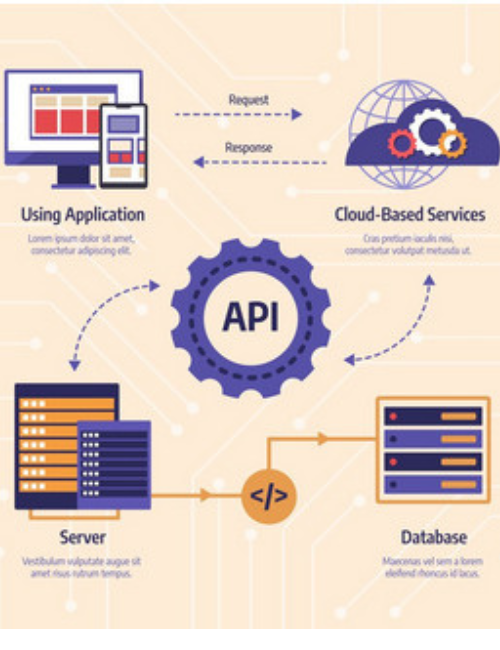

New-age enterprises are dynamic and ever-expanding. Any chosen integration platform must be capable of accommodating growth without compromising performance. It should seamlessly handle increased data loads, new applications, and changing business requirements.

The integration platform must be versatile enough to adapt to new technologies and emerging integration patterns. Whether it’s connecting cloudbased applications, IoT devices, or microservices architecture, flexibility is nonnegotiable.

Usability and user experience are critical factors in accelerating development cycles and reducing time-tomarket. A user-friendly interface, intuitive workflows, and low-code development capabilities can empower both integration specialists and business users to collaborate effectively in building integrations.

Protecting data and maintaining compliance with industry regulations are paramount. The chosen platform must offer robust security features, including encryption, authentication, and authorization mechanisms, ensuring the confidentiality and integrity of sensitive information.

As the pace of business accelerates, real-time integration and processing are increasingly vital. The integration platform should offer the capability to handle real-time events, notifications, and data synchronization across disparate systems in a fraction of a second.

While quality comes at a price, it’s essential to strike a balance between the features we need and the associated costs. Proposing an integration platform with the right pricing model for our customers’ usage patterns ensures they achieve value for investment.

The Integration platform should enable the creation of custom workflows, data transformations, and business logic to suit each enterprise’s specific needs, enabling them to orchestrate complex operations seamlessly.

Anticipating the long-term trajectory of technology can be challenging, but we must select a platform that demonstrates a commitment to ongoing development and evolution. A clear roadmap, regular updates, and a history of adapting to industry trends are indicator

An integration platform that seamlessly connects with a wide range of third-party applications and services can significantly extend its usefulness. The availability of pre-built connectors and adapters for common applications and data sources can expedite integration efforts.

Completely implement via highly efficient process improvements. engage high value before progressive data.
Completely implement via highly efficient process improvements. engage high value before progressive data.
IBM APIC V10 IBM Integration Bus or IBM APC v11 or v12 Kong Gateway Tyk Gateway
01
Completely implement via highly efficient process improvements. engage high value before progressive data.
02
IBM WebSphere Application Server Oracle WebLogic Apache Tomcat .
07
Completely implement via highly efficient process improvements. engage high value before progressive data.
04